
Shrimp salad is a chilled dish built around cooked shrimp combined with a creamy dressing and crisp vegetables. It delivers a contrast of tender seafood, smooth sauce, and light crunch in each spoonful. The mixture is often served in bowls, lettuce cups, or as a filling for sandwiches and wraps.
This preparation focuses on balance between texture and seasoning. Shrimp provides a mild seafood flavor, while the dressing brings richness and cohesion. Vegetables such as celery, onion, and herbs add structure and aroma. The result is a dish that holds well when chilled and works across different serving styles.
Shrimp salad is often prepared ahead of time, allowing the flavors to settle together in the refrigerator. It is commonly served as a lunch dish, side plate, or light meal option. The simplicity of the ingredients allows flexibility in portion size and presentation without requiring complex cooking steps.
Ingredients Overview
Shrimp is the main component of this dish. Cooked shrimp with a firm yet tender texture works well because it holds shape when mixed with dressing. Medium or small shrimp are often preferred since they distribute evenly throughout the salad. They provide a mild seafood flavor that blends with creamy elements without overpowering them.
Mayonnaise forms the base of the dressing. It creates a smooth coating that binds ingredients together. Its creamy texture helps carry seasoning evenly across the shrimp and vegetables. The amount can be adjusted depending on desired consistency, with more mayonnaise producing a richer mixture and less creating a lighter texture.
Celery adds crunch and a mild vegetal note. It contrasts with the softness of shrimp and dressing, giving structure to each bite. Finely chopped celery distributes evenly and prevents large chunks from overpowering the mix.
Red onion contributes a sharp, slightly pungent flavor that balances creaminess. When chopped finely, it blends into the salad without dominating the taste. Soaking onion briefly in water can soften its intensity if a milder profile is preferred.
Lemon juice adds acidity, which helps brighten the overall mixture. It balances richness from the dressing and enhances the natural flavor of shrimp. Freshly squeezed juice is commonly used for a cleaner taste.
Dijon mustard provides subtle depth and slight sharpness. It blends into the dressing and supports overall seasoning without becoming dominant. It also helps stabilize the mixture slightly.
Fresh herbs such as dill or parsley introduce aroma and a light green note. They contribute freshness in flavor without altering texture significantly. Dill pairs particularly well with seafood-based dishes.
Salt and black pepper complete seasoning. They are adjusted at the end to match personal preference and ensure balanced flavor across all components.
All ingredients work together to create a cohesive mixture where creamy, crunchy, and tender elements coexist in each bite.
Ingredients
1 pound cooked shrimp, peeled and deveined
1/2 cup mayonnaise
1 tablespoon Dijon mustard
1 tablespoon lemon juice
1/2 cup celery, finely chopped
1/4 cup red onion, finely chopped
2 tablespoons fresh dill, chopped
1 tablespoon parsley, chopped
1/2 teaspoon salt
1/4 teaspoon black pepper
1 teaspoon olive oil (optional)
1 teaspoon paprika (optional)
Lettuce leaves for serving (optional)
Step-by-Step Instructions
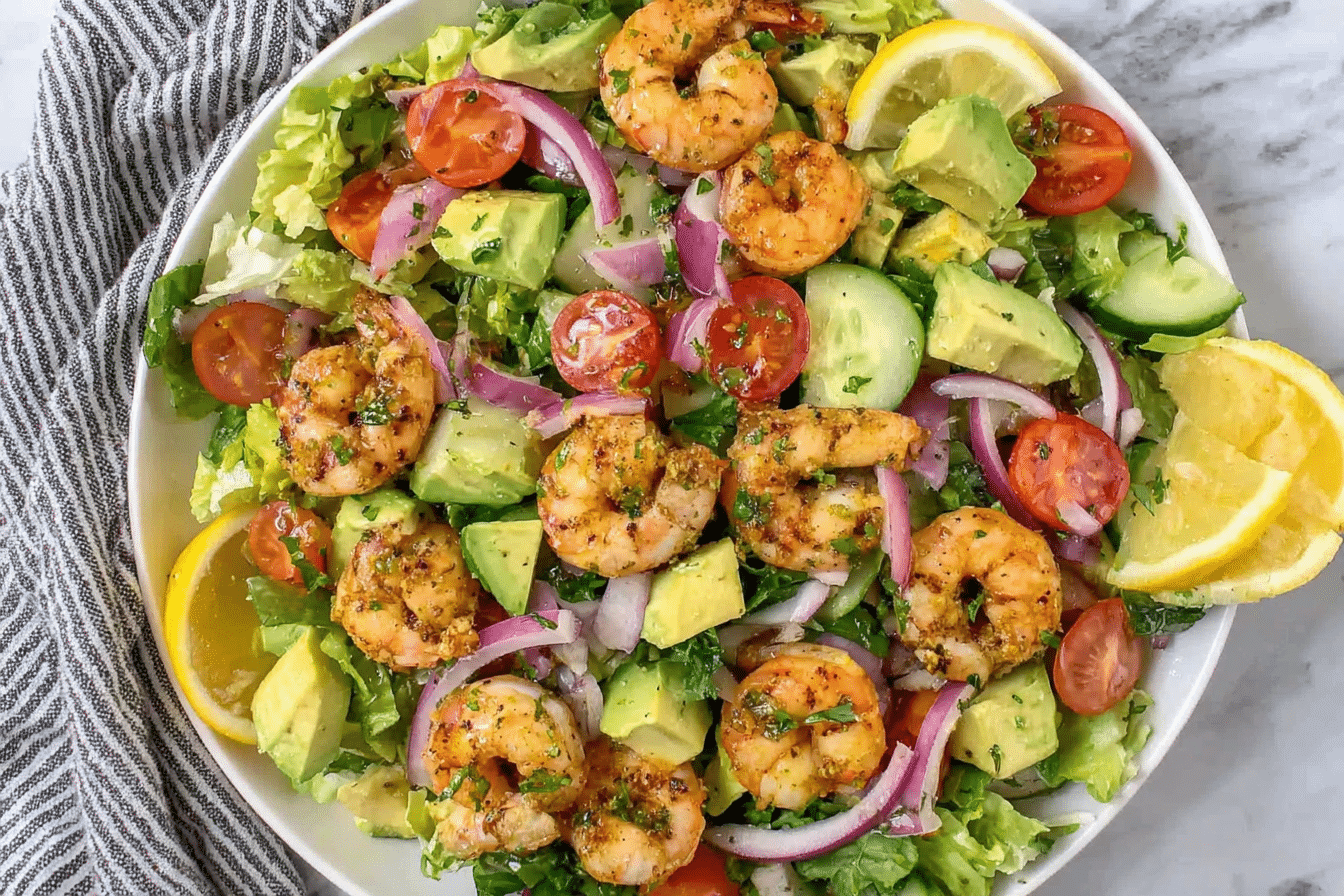
Begin by preparing the shrimp. If using pre-cooked shrimp, ensure they are fully thawed and patted dry. Cut larger shrimp into bite-sized pieces so they mix evenly with the dressing. Smaller shrimp can remain whole if preferred.
Place shrimp into a large mixing bowl. Add celery and red onion. Stir gently to distribute vegetables evenly among the shrimp pieces. This step creates a base mixture before adding dressing.
In a separate bowl, combine mayonnaise, Dijon mustard, and lemon juice. Stir until the mixture becomes smooth and uniform. This forms the dressing that will coat the shrimp mixture.
Pour the dressing over the shrimp and vegetables. Use a spoon or spatula to fold everything together. Mix gently to avoid breaking shrimp pieces while ensuring even coating.
Add chopped dill and parsley. Fold them into the mixture so herbs are evenly spread throughout the salad. These ingredients add aroma and visual contrast.
Season with salt and black pepper. Stir again and taste the mixture. Adjust seasoning gradually to maintain balance across creamy and acidic elements.
If a slightly richer finish is desired, a small amount of olive oil can be added and mixed in. Paprika can also be sprinkled for mild color and subtle warmth.
Cover the bowl and place it in the refrigerator. Allow the salad to rest for a period so flavors can settle and blend. This step improves cohesion between ingredients.
Before serving, stir gently again to redistribute dressing that may have settled. Serve chilled in bowls, lettuce cups, or as a filling for bread or wraps.
Avoid overmixing after refrigeration, as this can break down shrimp texture. Also avoid adding excess dressing at the beginning, since shrimp naturally releases slight moisture during chilling.
Tips, Variations & Substitutions
Greek yogurt can replace part or all of the mayonnaise for a lighter texture and tangier profile. This adjustment changes the richness level while maintaining creaminess.
Avocado can be added for a softer, buttery texture. It blends into the mixture and creates a thicker consistency with mild flavor influence.
Cucumber pieces can be included for additional crunch and moisture balance. They should be finely chopped to distribute evenly.
Spice levels can be adjusted by adding a small amount of hot sauce or chili flakes. This introduces warmth without changing the base structure of the salad.
For a more herb-forward version, additional dill or chives can be added. These herbs pair naturally with seafood and enhance aroma.
Lemon zest can be included for stronger citrus presence. It adds fragrance without increasing liquid content.
For a lower-dressing version, shrimp quantity can be slightly increased while reducing mayonnaise proportion. This creates a more protein-focused mixture.
Serving Ideas & Occasions
Shrimp salad works well as a chilled meal option served in lettuce cups, sandwich bread, or wrap fillings. It can also be placed on crackers or toast for smaller portions.
It is often served during lunch meals or light evening plates. Its chilled nature makes it suitable for warm environments or prepared meal settings.
It pairs well with light side dishes such as vegetable sticks, grain bowls, or simple soups. These combinations create balanced meal structures without heavy components.
Beverage pairings include citrus-based drinks, iced tea, or lightly flavored sparkling water. These complement the creamy seafood profile.
Shrimp salad can also be served at gatherings where portioned servings are needed. Its structure holds well when chilled and portioned in advance.
Nutritional & Health Notes
Shrimp provides lean protein along with minerals such as selenium and iodine. It is low in fat and contributes to the overall protein content of the dish.
Mayonnaise contributes fat content and overall calorie density. Adjusting its quantity can significantly change nutritional balance.
Vegetables such as celery and onion add fiber and micronutrients while maintaining low calorie contribution. Herbs provide additional trace nutrients and flavor.
Lemon juice adds vitamin C and supports flavor balance without increasing caloric load.
This dish can be adjusted for lighter profiles by reducing dressing or replacing part of it with yogurt-based alternatives.
FAQs
Can frozen shrimp be used?
Frozen shrimp can be used as long as they are fully thawed before preparation. They should be drained and patted dry to remove excess moisture. This helps maintain proper texture in the salad and prevents dilution of the dressing. Proper thawing ensures even mixing and consistent flavor distribution.
What type of shrimp works for salad?
Medium or small shrimp are commonly used because they mix evenly with dressing and vegetables. Larger shrimp can be chopped into smaller pieces. Cooked shrimp is preferred since it requires no additional preparation before mixing with other ingredients.
Can the salad be made ahead of time?
Shrimp salad can be prepared in advance and stored in the refrigerator. Allowing it to rest helps flavors combine more evenly. It should be stirred gently before serving to redistribute dressing. It is typically served chilled for best texture.
What can replace mayonnaise?
Greek yogurt or a mixture of yogurt and mayonnaise can be used as a substitute. These alternatives create a lighter texture while maintaining creaminess. Adjust seasoning slightly when using substitutes to maintain balanced flavor.
How long does shrimp salad last?
Shrimp salad should be kept refrigerated and consumed within a short period for optimal texture. It should be stored in an airtight container to maintain freshness and prevent moisture changes. Stir before serving if stored for later use.
Can additional vegetables be added?
Yes, vegetables such as cucumber, bell pepper, or green onion can be included. They add texture variation and mild flavor differences. All additions should be chopped finely to maintain consistency.
What are common serving methods?
Shrimp salad can be served in lettuce cups, sandwiches, wraps, or alongside crackers. It can also be plated as a side dish with other light foods. Serving style depends on portion size and meal setting.