
Craving a rich, creamy dessert that fits within your low-sugar lifestyle? This Diabetic Cheesecake (Sugar-Free Cheesecake) delivers all the silky texture and satisfying flavor of traditional cheesecake — without the blood sugar spike. It’s smooth, tangy, and naturally sweetened with low-glycemic alternatives, making it a smart and indulgent choice for anyone managing diabetes or reducing sugar intake.
Perfect for celebrations, holidays, or a simple weeknight treat, this cheesecake tastes so good, no one will guess it’s sugar-free. Whether you follow a diabetic-friendly diet, low-carb, or keto lifestyle, this dessert fits beautifully into your routine without compromise.
Ingredients Overview
Cream Cheese
Full-fat cream cheese creates the dense, velvety texture we all love. It’s low in carbs and naturally sugar-free. Let it soften at room temperature for easier mixing and a smoother filling.
Sour Cream or Greek Yogurt
Adds tang and creaminess while keeping the filling light. Greek yogurt offers more protein and a slight tang, while sour cream gives a more traditional finish.
Eggs
Eggs provide structure and help the cheesecake set while adding richness. Use room temperature eggs to prevent curdling and ensure even mixing.
Almond Flour (for the crust)
A great low-carb substitute for graham crackers, almond flour creates a nutty, crisp crust. It’s naturally gluten-free and has a mild flavor that complements the filling.
Butter
Melted butter binds the crust together and adds a satisfying richness. Use unsalted for better control of flavor.
Sugar-Free Sweetener
Choose a natural sweetener like erythritol, monk fruit, or allulose. These options won’t spike blood sugar and behave similarly to sugar when baked.
-
Erythritol: Great for baking; leaves a slight cooling effect.
-
Monk Fruit Blend: A little sweeter, with a clean finish.
-
Allulose: Mild, smooth, and great for cheesecakes as it mimics real sugar well.
Vanilla Extract
Adds warm, aromatic depth that enhances the flavor of both the filling and the crust.
Lemon Juice or Zest (optional)
Brightens the filling and balances the richness. Especially helpful if you’re using Greek yogurt.
Step-by-Step Instructions
1. Prepare the Crust
In a mixing bowl, combine almond flour, melted butter, your chosen sugar-free sweetener, and a pinch of salt. Stir until it resembles wet sand.
Press the mixture firmly into the bottom of a 9-inch springform pan. Use the bottom of a glass for an even surface. Bake at 325°F (163°C) for 10–12 minutes until golden and set. Let it cool completely.
2. Make the Filling
In a large bowl or stand mixer, beat softened cream cheese until smooth and creamy. Scrape down the sides regularly.
Add the sweetener, vanilla extract, and optional lemon juice. Beat until fluffy.
Next, blend in the eggs one at a time, mixing just until incorporated. Don’t overbeat, as it can introduce air bubbles that may crack the top.
Fold in sour cream or Greek yogurt gently to keep the mixture smooth and light.
3. Bake the Cheesecake
Pour the filling over the cooled crust. Smooth the top with a spatula.
Bake at 300°F (150°C) for 50–60 minutes. The edges should look set, but the center will still jiggle slightly.
Turn off the oven, crack the door open, and let the cheesecake cool inside for 1 hour to prevent cracking.
4. Chill
After cooling, refrigerate the cheesecake for at least 4 hours, preferably overnight, to allow it to fully set and develop flavor.
5. Garnish (Optional)
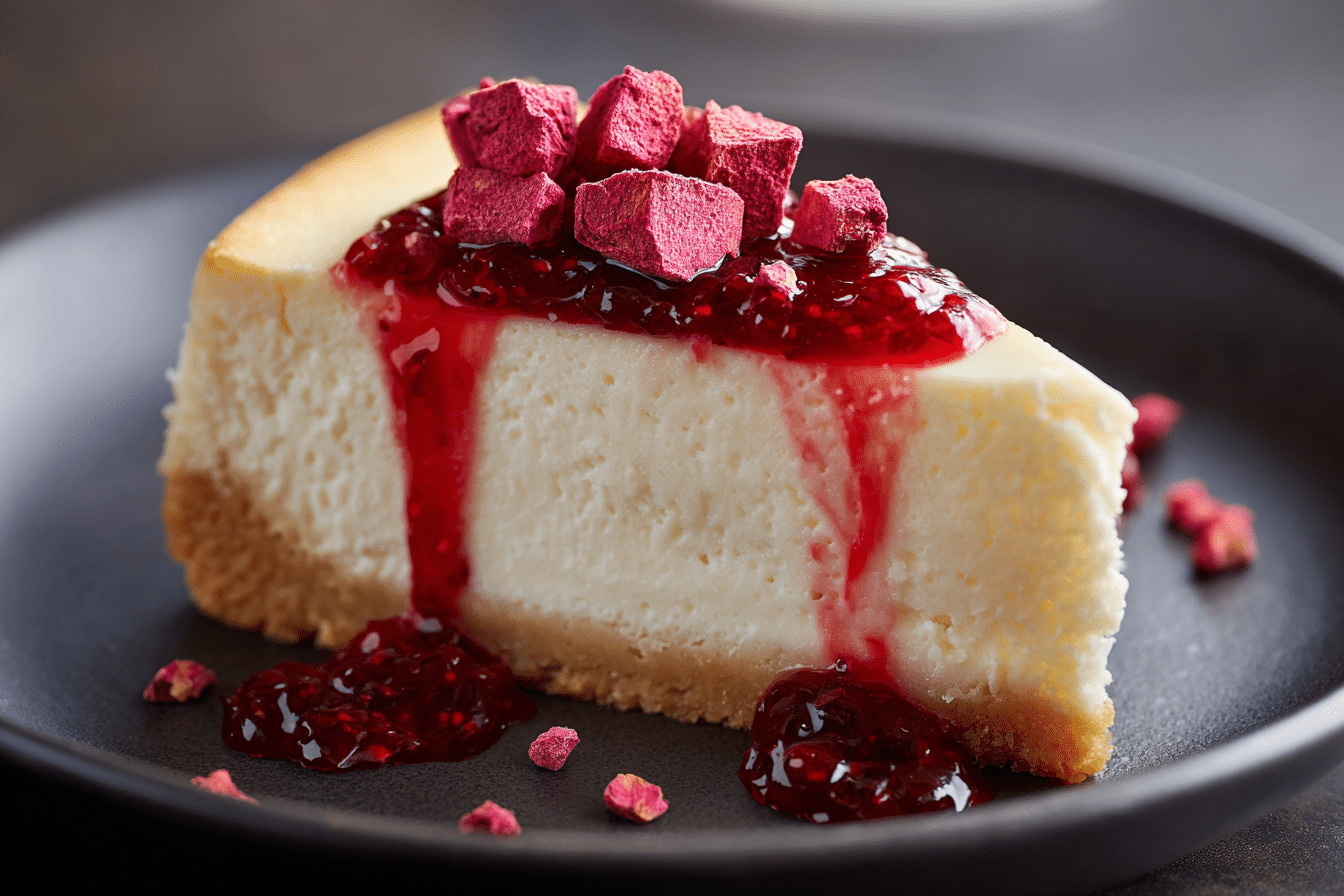
Top with fresh berries, a thin layer of sugar-free jam, or a dollop of whipped cream made with erythritol or stevia.
Tips, Variations & Substitutions
-
Keto Version: Use allulose or monk fruit sweetener, and keep toppings minimal-carb.
-
Crustless Cheesecake: For an ultra-low-carb option, skip the crust entirely — just bake the filling in a greased pie dish.
-
Dairy-Free: Substitute with vegan cream cheese and coconut yogurt, though texture will vary slightly.
-
Mini Cheesecakes: Use a muffin tin for portion-controlled bites — ideal for meal prep or parties.
-
Flavor Variations: Add a teaspoon of cinnamon to the crust, or swirl in a few tablespoons of sugar-free berry compote before baking.
Serving Ideas & Occasions
Serve this Diabetic Cheesecake chilled, with a spoonful of fresh raspberries or strawberries for natural sweetness and a pop of color. It’s ideal for:
-
Holiday tables — no one will miss the sugar.
-
Diabetic-friendly birthdays or anniversaries.
-
Everyday desserts with a cup of herbal tea or decaf coffee.
-
Potlucks and gatherings where dietary restrictions are a concern.
For a special occasion, garnish with lemon zest, a dusting of cocoa powder, or even sugar-free chocolate curls.
Nutritional & Health Notes
This cheesecake is a smart choice for those with diabetes or anyone following a reduced-sugar lifestyle:
-
Low Carb: Almond flour and sugar substitutes keep carbs in check.
-
High Fat: Satiating and satisfying, with healthy fats from dairy and almonds.
-
Protein: Greek yogurt adds an extra protein boost, supporting blood sugar balance.
-
No Added Sugar: Sweetened with zero-glycemic alternatives, this dessert won’t cause spikes.
Always check your specific sweetener for carb content and adjust accordingly. Portion size also matters — one small slice is rich enough to satisfy without overindulgence.
FAQs
Q1: What sweetener is best for diabetic cheesecake?
Allulose, erythritol, and monk fruit blends are top choices. Allulose mimics sugar best in texture, while erythritol offers a firmer finish with minimal aftertaste.
Q2: Will the cheesecake taste different without sugar?
Not really! When balanced with vanilla and lemon, sugar-free sweeteners offer a surprisingly authentic taste. Most people won’t even notice the difference.
Q3: Can I use stevia?
Yes, but use it cautiously. Stevia is very sweet and may not provide enough bulk for baking on its own. Blend it with erythritol or use a baking-specific stevia blend.
Q4: How do I prevent cracks in the cheesecake?
Bake low and slow, don’t overmix the eggs, and let it cool gradually in the oven. Using a water bath also helps, but isn’t essential for this recipe.
Q5: Is this cheesecake freezer-friendly?
Absolutely. Once fully chilled and sliced, wrap each piece in plastic wrap and freeze for up to 2 months. Thaw overnight in the fridge before serving.
Q6: Can I make it crustless?
Yes, and it’s even lower in carbs. Just grease your pan and pour in the filling directly. The texture remains creamy and satisfying without the base.
Q7: How many carbs are in one slice?
Depending on the sweetener and crust ingredients used, each slice typically contains 4–6 net carbs. Always calculate based on your specific brands for accuracy.
PrintDiabetic Cheesecake with berry topping – zero sugar and delicious
A smooth, sugar-free cheesecake made with almond flour crust, rich cream cheese filling, and naturally sweetened with low-glycemic alternatives. Perfect for diabetic and low-carb diets.
- Prep Time: 15 minutes
- Cook Time: 55 minutes
- Total Time: 1 hour 10 minutes + chilling
- Yield: 10 slices 1x
Ingredients
For the crust:
-
1½ cups almond flour
-
¼ cup unsalted butter, melted
-
2 tbsp erythritol or monk fruit sweetener
-
Pinch of sea salt
For the filling:
-
16 oz (450g) cream cheese, softened
-
½ cup sour cream or Greek yogurt
-
½ cup erythritol or allulose
-
2 large eggs
-
1 tsp vanilla extract
-
1 tbsp lemon juice (optional)
Instructions
-
Preheat oven to 325°F (163°C).
-
Mix almond flour, melted butter, sweetener, and salt. Press into a springform pan and bake for 10–12 minutes. Cool.
-
Beat cream cheese until smooth. Add sweetener, vanilla, and lemon juice. Mix well.
-
Add eggs one at a time, beating gently. Fold in sour cream.
-
Pour over crust and smooth the top.
-
Bake at 300°F (150°C) for 50–60 minutes. Let cool in oven for 1 hour.
-
Chill for 4 hours or overnight before serving.
Notes
Top with fresh berries or sugar-free jam. Store covered in fridge for up to 5 days or freeze for longer.