
Melt-in-Your-Mouth Cake is exactly what its name promises — an ethereal, cloud-like cake with a tender crumb and rich flavor that dissolves effortlessly on your tongue. Often associated with European sponge cakes and classic butter cakes, this recipe combines soft texture with deep vanilla or buttery notes, making it a timeless favorite across cultures.
Whether enjoyed with a cup of tea, topped with fresh fruit, or layered into a celebration dessert, this cake is incredibly versatile. It’s the kind of recipe that works just as well for a weekend treat as it does for birthdays, holidays, or festive gatherings.
The key to its signature texture lies in its balance — just enough fat for richness, the right amount of eggs for structure, and gentle mixing techniques to create that delicate, tender crumb.
Ingredients Overview
Each component in this melt-in-your-mouth cake contributes to the flavor and unforgettable texture. Here’s what you’ll need and why it matters:
-
All-Purpose Flour: Provides the base structure. You can substitute with cake flour for an even softer crumb, though regular flour works well when sifted.
-
Cornstarch: Lightens the flour mixture and softens the final bake. It’s often used in bakery-style cakes to mimic cake flour.
-
Eggs: Room temperature eggs help with leavening and give the cake its airy structure. They also add richness and color.
-
Granulated Sugar: Sweetens the batter and helps trap air during beating, which contributes to the cake’s rise and fluffiness.
-
Unsalted Butter: Brings a deep, creamy flavor and contributes to that melt-in-your-mouth texture. Use high-quality butter and let it soften at room temperature.
-
Whole Milk or Buttermilk: Moistens the batter and adds tenderness. Buttermilk gives a slight tang and helps with leavening when paired with baking soda.
-
Baking Powder: Ensures a good rise and soft texture. Measure carefully for an even crumb.
-
Salt: A pinch enhances all the other flavors.
-
Vanilla Extract: Adds warmth and depth — choose pure vanilla extract for best results.
-
Optional: Lemon Zest or Almond Extract: These can provide subtle aromatic undertones that elevate the flavor.
Step-by-Step Instructions
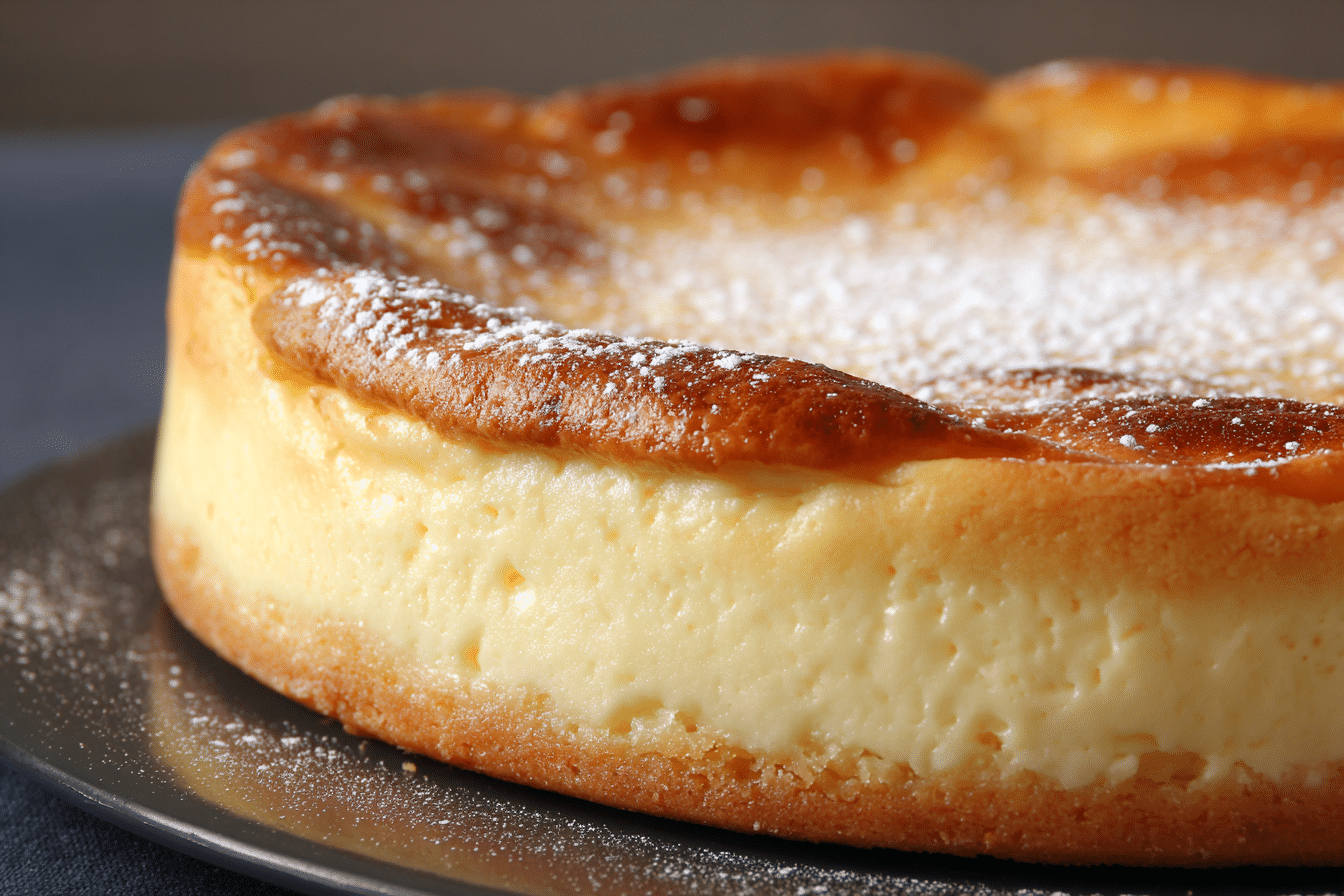
To get that perfect, delicate bite, technique matters just as much as ingredients. Follow these steps for best results.
1. Prep Your Pan & Ingredients
Preheat your oven to 170°C (340°F). Grease a 9-inch round cake pan or bundt pan and line the bottom with parchment paper.
Bring all your ingredients to room temperature. This includes butter, eggs, and milk — cold ingredients won’t emulsify properly and can lead to a dense cake.
2. Cream Butter and Sugar
In a stand mixer or with a hand mixer, beat the softened butter and sugar together on medium-high speed until light, pale, and fluffy — this can take 3–5 minutes. This step is crucial to incorporating air into the batter.
3. Add Eggs One at a Time
Add the eggs, one at a time, beating well after each addition. Scrape down the sides of the bowl as needed to ensure even mixing.
4. Combine Dry Ingredients
In a separate bowl, whisk together the flour, cornstarch, baking powder, and salt. Sift the mixture once or twice for extra lightness.
5. Alternate Dry and Wet Ingredients
With the mixer on low speed, add the dry ingredients in three parts, alternating with the milk (or buttermilk), beginning and ending with the dry mix. Mix just until combined after each addition — don’t overmix, or you’ll lose that tender texture.
6. Add Vanilla (and Optional Flavors)
Stir in the vanilla extract by hand, and any other flavoring (like lemon zest or almond extract), to preserve the delicate batter.
7. Pour and Bake
Pour the batter into the prepared pan, smoothing the top with a spatula. Tap the pan lightly on the counter to release any air bubbles.
Bake in the center of the oven for 35–45 minutes, or until the top is golden and a toothpick inserted into the center comes out clean.
8. Cool Gently
Let the cake cool in the pan for 10–15 minutes, then turn it out onto a wire rack to cool completely. This prevents steam from making the cake soggy.
Tips, Variations & Substitutions
-
Don’t Overmix: This is the number one reason for tough cakes. Mix only until combined to keep the texture light and tender.
-
Add Citrus or Floral Notes: Lemon or orange zest adds brightness. A touch of rose or orange blossom water can give it a Middle Eastern flair.
-
Make it Chocolate: Replace 1/4 cup of flour with cocoa powder and add 2 tablespoons of milk for a soft chocolate version.
-
For a Richer Cake: Use sour cream instead of buttermilk for more fat and moisture.
-
Dairy-Free Option: Substitute butter with a dairy-free baking margarine and use almond milk mixed with lemon juice instead of buttermilk.
-
Gluten-Free Adaptation: Use a 1:1 gluten-free flour blend and increase cornstarch by 1 tablespoon for better softness.
Serving Ideas & Occasions
This melt-in-your-mouth cake is a beautiful canvas for all kinds of occasions and toppings:
-
Dust with Powdered Sugar: Simple, elegant, and lets the flavor shine.
-
Serve with Fresh Berries & Whipped Cream: For a summery finish.
-
Top with Glaze or Ganache: Try a thin vanilla glaze, lemon icing, or pour-over chocolate ganache for extra richness.
-
Great for Layer Cakes: Slice and fill with jam, pastry cream, or mousse for birthdays or holiday dinners.
Perfect for:
-
Afternoon tea or coffee
-
Eid and holiday dessert platters
-
Bridal or baby showers
-
Weeknight treats or weekend baking projects
Nutritional & Health Notes
While indulgent, this cake is made from simple, whole ingredients — no boxed mixes or preservatives. A moderate slice gives you a balance of carbohydrates and fat, making it a satisfying dessert when enjoyed in moderation.
To reduce sugar or calories:
-
Use erythritol or coconut sugar as a substitute.
-
Replace half the butter with applesauce or Greek yogurt for a lighter bite.
-
Serve with fruit rather than frosting to keep it fresh and balanced.
Protein can be slightly increased by adding almond flour to the mix, while fiber can be boosted with a touch of whole wheat flour (though it will slightly affect the texture).
FAQs
Q1: Why is my melt-in-your-mouth cake dry?
A1: Overbaking is the most common reason. Always check for doneness with a toothpick and remove the cake once it comes out with a few moist crumbs. Also, measure flour accurately using the spoon-and-level method to avoid a dry batter.
Q2: Can I use oil instead of butter?
A2: You can substitute part of the butter with neutral oil (like sunflower or canola) for a slightly more moist texture, but butter is preferred for flavor and structure. A 50/50 mix works well.
Q3: Can I freeze this cake?
A3: Yes, this cake freezes beautifully. Wrap the completely cooled cake (or slices) tightly in plastic wrap and foil. Freeze for up to 2 months. Thaw in the fridge overnight and bring to room temperature before serving.
Q4: What makes this cake “melt-in-your-mouth”?
A4: The balance of creamed butter, whipped eggs, and minimal mixing preserves air and softness. Cornstarch or cake flour also contributes to that delicate, tender crumb.
Q5: Can I make this cake in a bundt pan?
A5: Yes, this batter works beautifully in a bundt pan. Be sure to grease and flour the pan thoroughly to prevent sticking, and adjust the baking time — bundt cakes may need an extra 5–10 minutes.
Q6: How do I get a smooth, crack-free top?
A6: Bake at a moderate temperature (around 170°C/340°F) and avoid overbeating the eggs, which can create too much rise and cause cracking. Cooling slowly also helps prevent the surface from breaking.
Q7: Is this cake suitable for layering?
A7: Absolutely. It slices cleanly and holds its shape well, making it ideal for layered desserts. Be sure to chill the cake slightly before slicing if you’re planning to fill it with cream or jam.
PrintSoft Golden Cake – A Sweet Treat for Sharing
A buttery, tender cake that lives up to its name — light, soft, and melt-in-your-mouth perfection. Ideal for tea time, layering, or enjoying plain.
- Prep Time: 15 minutes
- Cook Time: 40 minutes
- Total Time: 55 minutes
- Yield: 10 slices 1x
Ingredients
-
200g all-purpose flour
-
30g cornstarch
-
2 tsp baking powder
-
1/4 tsp salt
-
200g unsalted butter, softened
-
180g granulated sugar
-
4 large eggs, room temperature
-
120ml whole milk or buttermilk
-
2 tsp vanilla extract
-
(Optional) 1 tsp lemon zest or almond extract
Instructions
-
Preheat oven to 170°C (340°F). Grease and line a 9-inch round cake or bundt pan.
-
Cream butter and sugar until pale and fluffy, about 3–5 minutes.
-
Add eggs one at a time, beating well after each addition.
-
In a bowl, sift together flour, cornstarch, baking powder, and salt.
-
Add dry ingredients to the wet mixture in three parts, alternating with milk.
-
Stir in vanilla and optional flavorings.
-
Pour into prepared pan, tap lightly, and bake for 35–45 minutes.
-
Cool 10–15 minutes in pan, then transfer to wire rack.
Notes
-
For extra softness, replace half the flour with cake flour.
-
Serve plain or top with glaze, berries, or cream.
-
Store in an airtight container for up to 3 days.