
Camping trips feel easier when meals are planned ahead, packed properly, and ready to heat or assemble with minimal effort. These 10 thrifty make ahead camping meals are designed for simple preparation at home and smooth cooking at the campsite. Each option focuses on practical ingredients, reliable storage, and steady flavor after transport.
Meal prep before a camping trip helps reduce stress and saves time outdoors. Instead of cooking from scratch at the campsite, most of the work is done in advance. That means more time spent enjoying the surroundings and less time managing cookware.
These meals rely on affordable ingredients like rice, beans, pasta, canned proteins, vegetables, and basic seasonings. They are structured to hold up well in coolers and reheat easily over a campfire or portable stove.
Each recipe idea is flexible. Ingredients can be swapped based on availability, and portion sizes can be adjusted depending on group size. The focus stays on practical food that travels well and maintains taste after storage.
These camping meals also reduce waste by using overlapping ingredients across multiple dishes. This makes packing simpler and keeps costs lower while still offering variety throughout the trip.
Below are 10 reliable make ahead camping meals that balance convenience, taste, and practicality.
Ingredients Overview
The foundation of these camping meals includes pantry-friendly staples that store well and cook easily in outdoor conditions. Rice and pasta are commonly used because they hold texture after reheating and pair well with many proteins and sauces.
Canned beans and lentils provide a budget-friendly protein source. They require no pre-cooking and blend well with spices, vegetables, and grains. They also hold up well in cooler storage.
Proteins such as chicken, ground beef, tuna, or sausage are often pre-cooked before the trip. This reduces cooking time at the campsite and supports safe storage when properly chilled.
Vegetables like bell peppers, onions, carrots, and zucchini are chosen for their durability. They stay firm longer and can be chopped ahead of time for quick cooking or mixing.
Cheese, tortillas, and eggs are versatile ingredients that can be used across multiple meals. Cheese adds flavor and texture, tortillas serve as wraps or bases, and eggs work for breakfast or dinner dishes.
Seasonings play an important role in keeping meals flavorful after storage. Simple combinations of salt, pepper, garlic powder, paprika, and dried herbs help maintain taste without requiring complex preparation.
Oil and butter are used for cooking and reheating. They help prevent sticking and add richness to simple ingredients. When combined with pre-cooked components, they help bring meals back to life at the campsite.
Ingredients
Meal 1: Pre-Cooked Chicken Rice Bowls
Cooked rice, shredded chicken, olive oil, garlic powder, salt, pepper, frozen peas
Meal 2: Bean and Cheese Burritos
Flour tortillas, canned black beans, shredded cheese, cooked rice, cumin
Meal 3: Pasta Salad Packs
Cooked pasta, cherry tomatoes, cucumber, olive oil, vinegar, Italian seasoning
Meal 4: Campfire Chili
Ground beef, canned beans, canned tomatoes, onion, chili powder, salt
Meal 5: Breakfast Egg Muffins
Eggs, diced bell pepper, cooked sausage, shredded cheese, salt, pepper
Meal 6: Tuna Pasta Mix
Canned tuna, cooked pasta, mayonnaise, mustard, chopped celery, black pepper
Meal 7: Sausage and Veggie Foil Packs
Sliced sausage, potatoes, carrots, olive oil, garlic, rosemary
Meal 8: Peanut Butter Oatmeal Jars
Rolled oats, peanut butter, honey, milk powder, raisins
Meal 9: Veggie Fried Rice Packs
Cooked rice, soy sauce, mixed vegetables, egg, garlic, oil
Meal 10: Chicken Wrap Packs
Cooked chicken, tortillas, lettuce, shredded cheese, ranch dressing
Step-by-Step Instructions
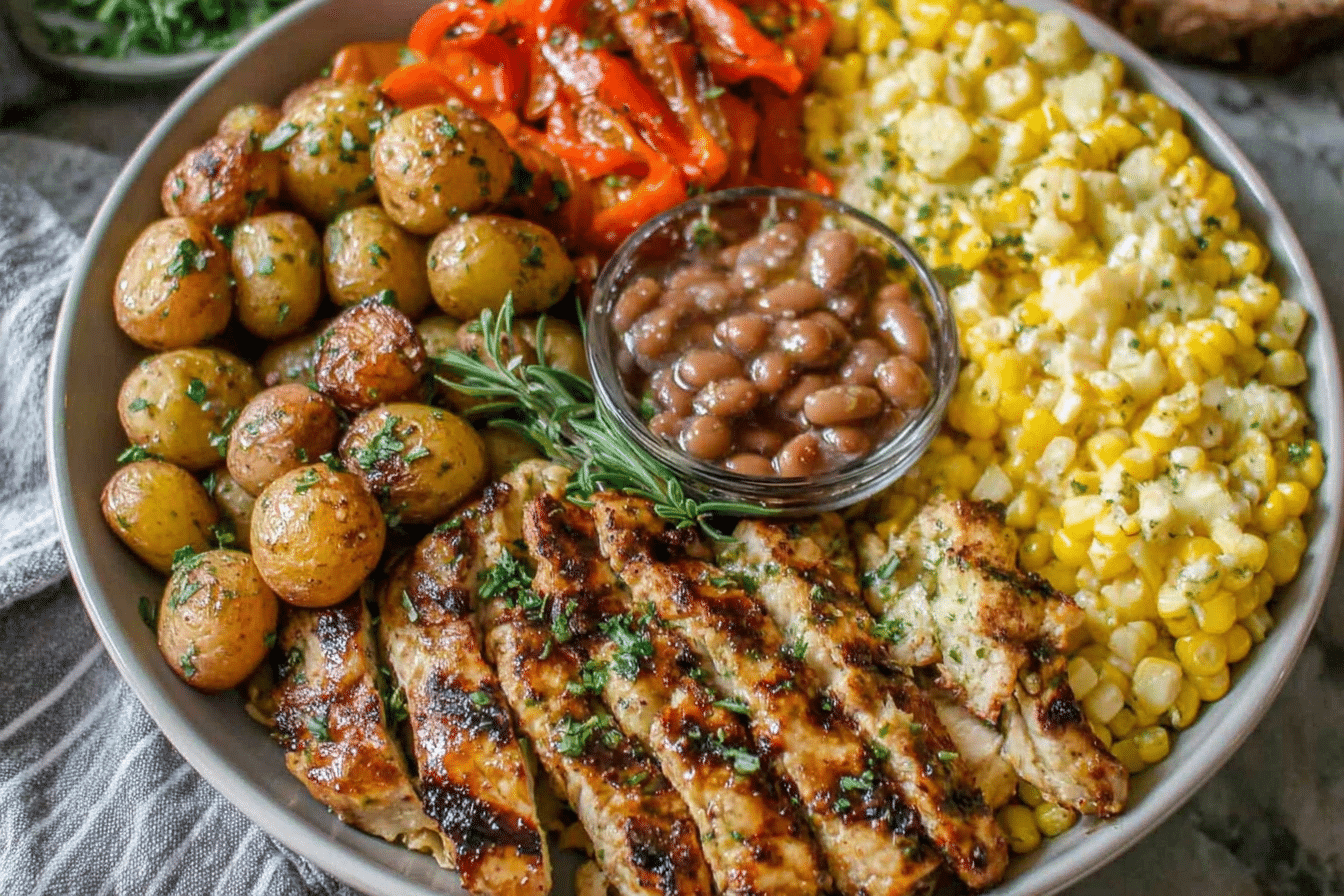
Preparation begins at home, where most cooking and chopping are completed. Each meal is partially or fully assembled depending on storage needs and trip duration.
For rice and pasta-based meals, cook grains until just tender. Slightly firm texture works best since reheating will soften them further. Drain and cool completely before packing into sealed containers.
Proteins like chicken, beef, and sausage should be cooked fully before storage. Once cooled, they can be portioned into meal-sized containers. This helps with quick assembly at the campsite.
Vegetables should be washed, chopped, and stored in separate containers or bags. Keeping them dry helps maintain freshness longer during transport.
For foil pack meals, ingredients are combined ahead of time and sealed in foil packets. Each packet is labeled and stored in a cooler. These can be placed directly over campfire heat when ready to cook.
Breakfast egg muffins are baked at home in muffin tins. Once cooled, they are stored in containers and reheated over a pan or campfire grate.
Burritos and wraps are assembled ahead of time, wrapped tightly in foil or parchment, and kept chilled. They can be eaten cold or warmed directly over heat.
Chili is fully cooked before the trip and stored in a sealed container. At the campsite, it is reheated in a pot over a stove or fire until warmed through.
Oatmeal jars are layered dry and only require hot water or warm milk at the campsite. Peanut butter and honey add flavor without additional cooking.
Proper cooler management is important. Ice packs should be placed around meal containers, and raw or cooked items should be separated when possible to maintain safe storage conditions.
Reheating should be done slowly over medium heat. This helps maintain texture and prevents burning, especially for rice and pasta dishes.
Tips, Variations & Substitutions
Ingredients can be adjusted based on availability. Beans can replace meat in many meals, while rice can be swapped with quinoa or couscous for variety.
Spice levels can be changed by adjusting chili powder, paprika, or adding mild hot sauce packets during packing.
Vegetables like spinach or mushrooms can be added to foil packs or rice dishes for extra texture and variety.
For lighter meals, mayonnaise can be replaced with yogurt in tuna or chicken mixes. This keeps texture creamy while changing flavor slightly.
Foil pack meals can be customized with different protein and vegetable combinations. The key is keeping similar cooking times for even results.
Serving Ideas & Occasions
These camping meals work well for multi-day trips, road travel, or outdoor gatherings where cooking time is limited. They are designed for easy transport and quick preparation.
Breakfast items like egg muffins and oatmeal jars are best served early in the day when quick energy is needed. Lunch wraps and pasta salads are convenient for midday meals.
Dinner options like chili, foil packs, and rice bowls provide warm and filling choices after a long day outdoors. They can be served directly from cookware or sealed packets.
Simple sides like fruit, crackers, or trail mix pair well with these meals without requiring additional preparation.
Nutritional & Health Notes
These meals provide a balanced mix of carbohydrates, protein, and fats depending on ingredient combinations. Rice, pasta, and oats supply energy, while meats, beans, and eggs provide protein.
Vegetables contribute fiber and micronutrients, supporting balanced meal structure during outdoor activity. Oils and cheese add fats that help maintain satiety.
Portion sizes can be adjusted based on activity level. More active trips may require larger servings, while shorter outings may need lighter portions.
Hydration should also be considered, as many camping meals are paired with dry or salted ingredients.
FAQs
Can these meals be prepared days before camping?
Yes, most of these meals can be prepared 1–3 days in advance. Proper refrigeration is important before placing them in a cooler. Fully cooked items like chili and chicken rice bowls hold well when stored in airtight containers. Wraps and burritos should be tightly sealed to maintain freshness and structure during transport.
How long do these meals last in a cooler?
With sufficient ice packs, most meals stay safe for 2–3 days in a cooler. Items containing meat or dairy should be kept at low temperature consistently. Dry meals like oatmeal jars or seasoning mixes can last longer without refrigeration.
Can these meals be cooked over a campfire?
Yes, several meals are designed for campfire cooking. Foil packs, chili, and rice bowls can be reheated directly over fire heat. It is important to monitor temperature and stir occasionally to prevent burning or uneven heating.
What is the easiest meal on the list?
Oatmeal jars are the simplest since they require no cooking at the campsite. Hot water or warm milk is all that is needed. Wraps and burritos are also easy since they can be eaten cold or lightly warmed.
Can vegetarian versions be made?
Yes, many meals can be made vegetarian by replacing meat with beans, lentils, or extra vegetables. Foil packs, rice bowls, and pasta dishes adapt especially well to plant-based versions without major changes.
How should food be packed for transport?
Use airtight containers, sealed bags, and labeled foil packs. Keep raw and cooked items separated when possible. Ice packs should surround perishable foods inside a cooler to maintain safe temperature levels.
Can these meals be scaled for larger groups?
Yes, all recipes can be doubled or tripled depending on group size. Batch cooking at home makes scaling easier and helps maintain consistency across servings.
PrintThrifty Camping Meals You Can Prep Ahead for Stress-Free Trips
10 Thrifty Make Ahead Camping Meals offer simple, budget-friendly recipes prepared at home for easy cooking outdoors. Includes wraps, bowls, foil packs, and breakfast ideas.
- Prep Time: 2–3 hours
- Cook Time: Varies by meal
- Total Time: 2–3 hours prep
- Yield: 10 meal types
Ingredients
- Cooked chicken rice bowl ingredients
- Burrito ingredients
- Pasta salad ingredients
- Chili ingredients
- Egg muffin ingredients
- Tuna pasta ingredients
- Sausage foil pack ingredients
- Oatmeal jar ingredients
- Fried rice ingredients
- Chicken wrap ingredients
Instructions
- Cook and cool grains, proteins, and vegetables at home
- Assemble meals into containers or foil packs
- Store in airtight packaging and chill in cooler
- Reheat over campfire or stove when ready to serve
- Serve warm or cold depending on meal type
Notes
Pre-cooking improves convenience at campsite. Keep food chilled and separated for safe storage. Adjust seasoning based on preference.