
There’s a quiet elegance in the simplicity of a classic French butter cake. But don’t let its unassuming look fool you—this dessert is rich, moist, and deeply satisfying. The golden crust gives way to a tender crumb, each bite infused with buttery aroma and delicate sweetness. Whether served as an afternoon treat or the final note to a lovely meal, this cake is a timeless favorite.
The beauty of this decadent classic French butter cake lies in its effortless preparation. With just a few pantry staples and a little care, you’ll have a dessert that rivals any patisserie. Its texture is velvety yet substantial, making it perfect for pairing with fresh berries, a dollop of whipped cream, or simply enjoyed on its own with coffee or tea.
This easy dessert recipe preserves the traditional character of a French gâteau au beurre while making it accessible to home bakers everywhere.
Ingredients Overview
The magic of this French butter cake comes from its simplicity. Each ingredient is chosen for its role in creating rich flavor and soft texture. Let’s break down what you’ll need and how you can make subtle swaps if needed.
Unsalted Butter
Butter is the star of this cake, so use the highest quality you can find. It provides richness, moisture, and a beautiful golden color. European-style butter with a higher fat content works especially well. Make sure it’s softened to room temperature before creaming.
Granulated Sugar
White sugar provides sweetness and also helps create a light, tender crumb. It creams together with butter to introduce air into the batter.
Eggs
Eggs act as a binder and contribute to the cake’s moist texture. Room-temperature eggs are best—they incorporate more easily and help the batter emulsify.
All-Purpose Flour
This gives the cake structure. Sift it to avoid clumps and achieve a lighter crumb. Cake flour can be used for an even finer texture, but it’s not essential.
Baking Powder
A small amount ensures the cake rises just enough to be fluffy but still dense in that unmistakably French way.
Whole Milk
Adds moisture and tenderness. If you’re out of whole milk, a mix of 2% and a splash of cream will do. Avoid skim milk, which lacks richness.
Pure Vanilla Extract
Vanilla enhances the butter’s natural sweetness and brings depth to the flavor. For a twist, try almond extract or a mix of both.
Salt
Just a pinch sharpens all the other flavors. If using salted butter, you can omit this.
Optional additions include lemon zest for a citrus edge, or a splash of rum or brandy for a more grown-up version. But even in its plainest form, this cake is utterly divine.
Step-by-Step Instructions
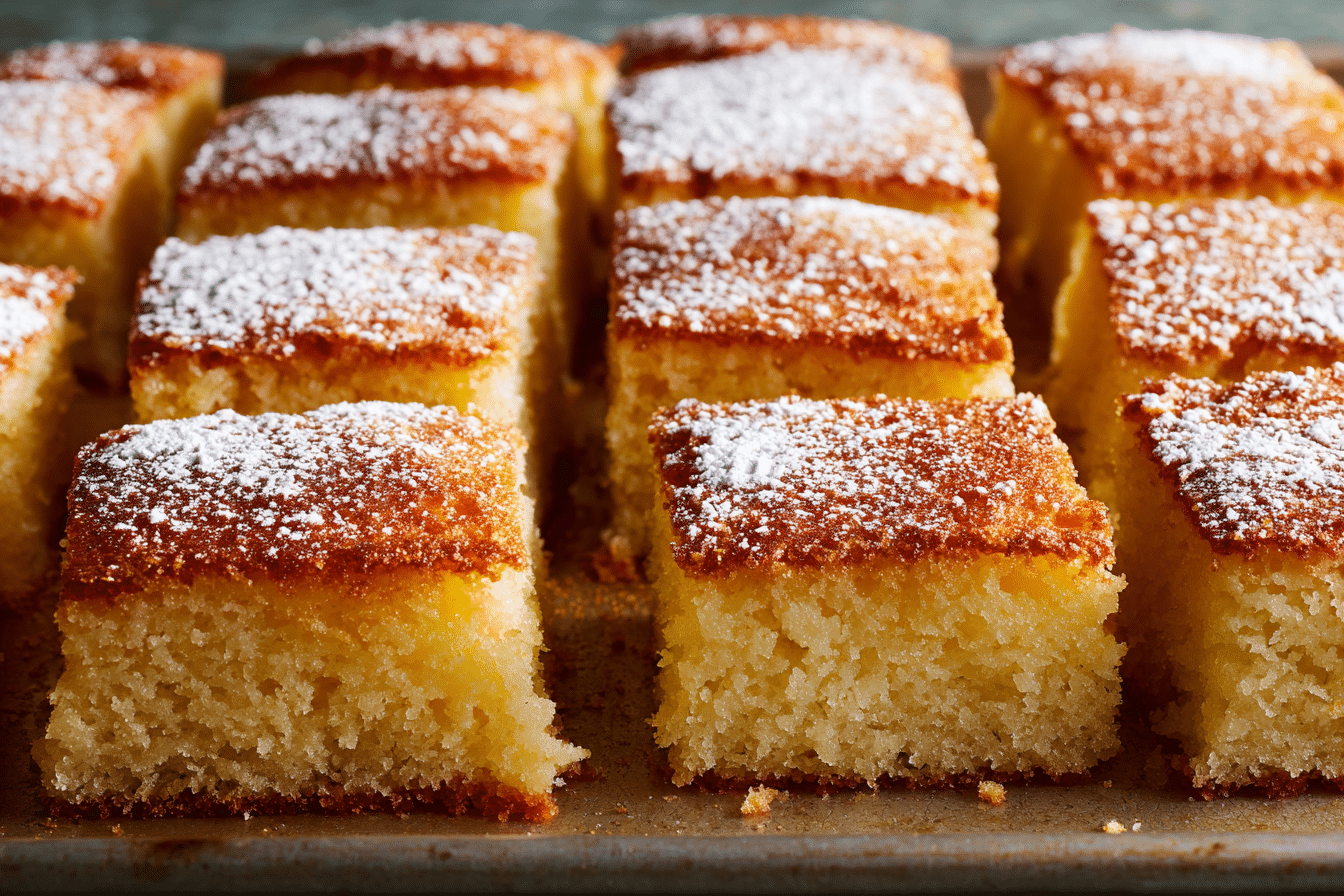
-
Prep the ingredients:
Begin by preheating your oven to 350°F (175°C). Grease a 9-inch round cake pan and line the bottom with parchment paper for easy removal. Set your butter and eggs out to come to room temperature. -
Cream the butter and sugar:
In a large mixing bowl, beat 1 cup (2 sticks) of unsalted butter with 1 cup of granulated sugar using a hand mixer or stand mixer. Beat on medium-high speed until the mixture is light, fluffy, and pale—about 3–4 minutes. This step creates the foundation for a soft cake texture. -
Add the eggs:
Add 4 large eggs one at a time, mixing well after each addition. Scrape down the bowl to ensure everything is well incorporated. The mixture may look slightly curdled at first but will smooth out. -
Add flavoring:
Stir in 1 teaspoon of pure vanilla extract. If using zest or other extracts, add them now. -
Mix the dry ingredients:
In a separate bowl, sift together 1¾ cups all-purpose flour, 1½ teaspoons baking powder, and ¼ teaspoon salt. Sifting prevents lumps and creates a lighter batter. -
Combine wet and dry:
With the mixer on low, alternate adding the dry ingredients and ½ cup whole milk, starting and ending with the dry mix. Add flour in 3 parts and milk in 2. Do not overmix—just blend until the flour disappears. -
Bake:
Pour the batter into the prepared pan and smooth the top. Tap the pan gently on the counter to remove air bubbles. Bake for 45–50 minutes, or until the top is golden and a toothpick inserted in the center comes out clean. -
Cool:
Let the cake cool in the pan for 10 minutes, then invert onto a wire rack to cool completely. This step prevents the bottom from becoming soggy. -
Serve:
Slice and serve as-is, or dust with powdered sugar. This cake keeps beautifully for 3–4 days when wrapped tightly and stored at room temperature.
Tips, Variations & Substitutions
Here are a few helpful tips to ensure success, plus ideas to change things up if desired:
-
Don’t rush the butter and sugar creaming. This step adds air, which helps the cake rise.
-
Room-temperature eggs and butter prevent the batter from separating and promote even baking.
-
Avoid overmixing once you add the flour. Overworking the batter can make the cake tough.
-
Use a springform pan if you want easier release and a perfectly shaped edge.
Variations:
-
Lemon or orange zest gives the cake a bright, aromatic twist.
-
Add sliced almonds or slivered pistachios on top for crunch and elegance.
-
Drizzle with a rum glaze or orange syrup for added moisture and flair.
Substitutions:
-
Dairy-free: Use plant-based butter and a rich oat or soy milk.
-
Gluten-free: Substitute a 1:1 gluten-free flour blend. The texture will change slightly, but it’s still delicious.
-
Refined sugar-free: Replace sugar with coconut sugar for a deeper, caramel-like sweetness.
Serving Ideas & Occasions
This classic French butter cake shines on any table, from casual gatherings to more refined celebrations. Serve warm or at room temperature with a cup of espresso or hot tea for a simple afternoon treat.
Add a dollop of whipped cream and fresh berries for a light dessert at brunch or dinner. For festive occasions, serve with poached pears or a fruit compote. It also makes a beautiful base for layered cakes if you double the recipe and split the batter between two pans.
Perfect for:
-
Sunday brunch
-
Afternoon tea
-
Holiday tables
-
Birthdays or anniversaries (frosted or unfrosted)
Nutritional & Health Notes
This is a rich, full-fat cake designed to satisfy with every bite. The generous amount of butter and eggs gives it substance and satiety. Each slice is dense but not heavy, sweet but not cloying.
There are no preservatives or artificial flavors, and it’s made with straightforward, natural ingredients. You can adapt it for lower sugar or dairy-free diets with simple substitutions.
While it’s not a “light” dessert, its richness means a small slice goes a long way. One serving typically contains around 350–400 calories, depending on size and additional toppings.
FAQs
Can I use salted butter instead of unsalted?
Yes, but reduce or omit the added salt in the recipe. Salted butter works in a pinch, though the flavor may be slightly different.
Why is my cake dry?
Dryness usually comes from overbaking or incorrect measurements. Be sure to measure flour accurately and don’t bake beyond 50 minutes. Check with a toothpick at 45 minutes.
How long does French butter cake last?
Stored tightly wrapped at room temperature, it stays fresh for 3–4 days. You can also refrigerate it, but bring it to room temperature before serving.
Can I freeze this cake?
Yes! Once completely cooled, wrap in plastic wrap and foil. Freeze for up to 2 months. Thaw overnight in the refrigerator or at room temp for a few hours.
What’s the difference between French butter cake and pound cake?
French butter cake tends to be softer and lighter than American pound cake. It often includes baking powder for a gentler rise and uses slightly different ratios of butter, eggs, and flour.
Can I make this gluten-free?
Absolutely. Use a gluten-free 1:1 baking flour. The texture may be slightly more delicate, so handle with care when slicing.
What’s the best way to serve this cake?
This cake is wonderful on its own, but it pairs well with fruit, whipped cream, or ice cream. For a more elegant presentation, drizzle with fruit coulis or chocolate sauce.
French Butter Cake Made Easy at Home
An easy and decadent French butter cake with a tender crumb, rich buttery flavor, and golden crust. A timeless dessert that’s simple enough for everyday and elegant enough for special occasions.
- Prep Time: 20 minutes
- Cook Time: 50 minutes
- Total Time: 1 hour 10 minutes
- Yield: 10–12 slices 1x
Ingredients
1 cup unsalted butter, softened
1 cup granulated sugar
4 large eggs, room temperature
1¾ cups all-purpose flour, sifted
1½ tsp baking powder
¼ tsp salt
½ cup whole milk
1 tsp vanilla extract
Instructions
-
Preheat oven to 350°F (175°C). Grease and line a 9-inch round cake pan.
-
In a large bowl, cream butter and sugar until light and fluffy (3–4 minutes).
-
Add eggs one at a time, mixing well after each. Stir in vanilla.
-
In a separate bowl, sift together flour, baking powder, and salt.
-
Alternate adding dry ingredients and milk to the butter mixture, mixing just until combined.
-
Pour batter into prepared pan. Smooth the top.
-
Bake 45–50 minutes or until golden and a toothpick comes out clean.
-
Cool in pan 10 minutes, then invert onto a wire rack to cool completely.
Notes
Use high-quality butter for best flavor. Add citrus zest or a splash of rum for variation. Store airtight at room temperature up to 4 days.