
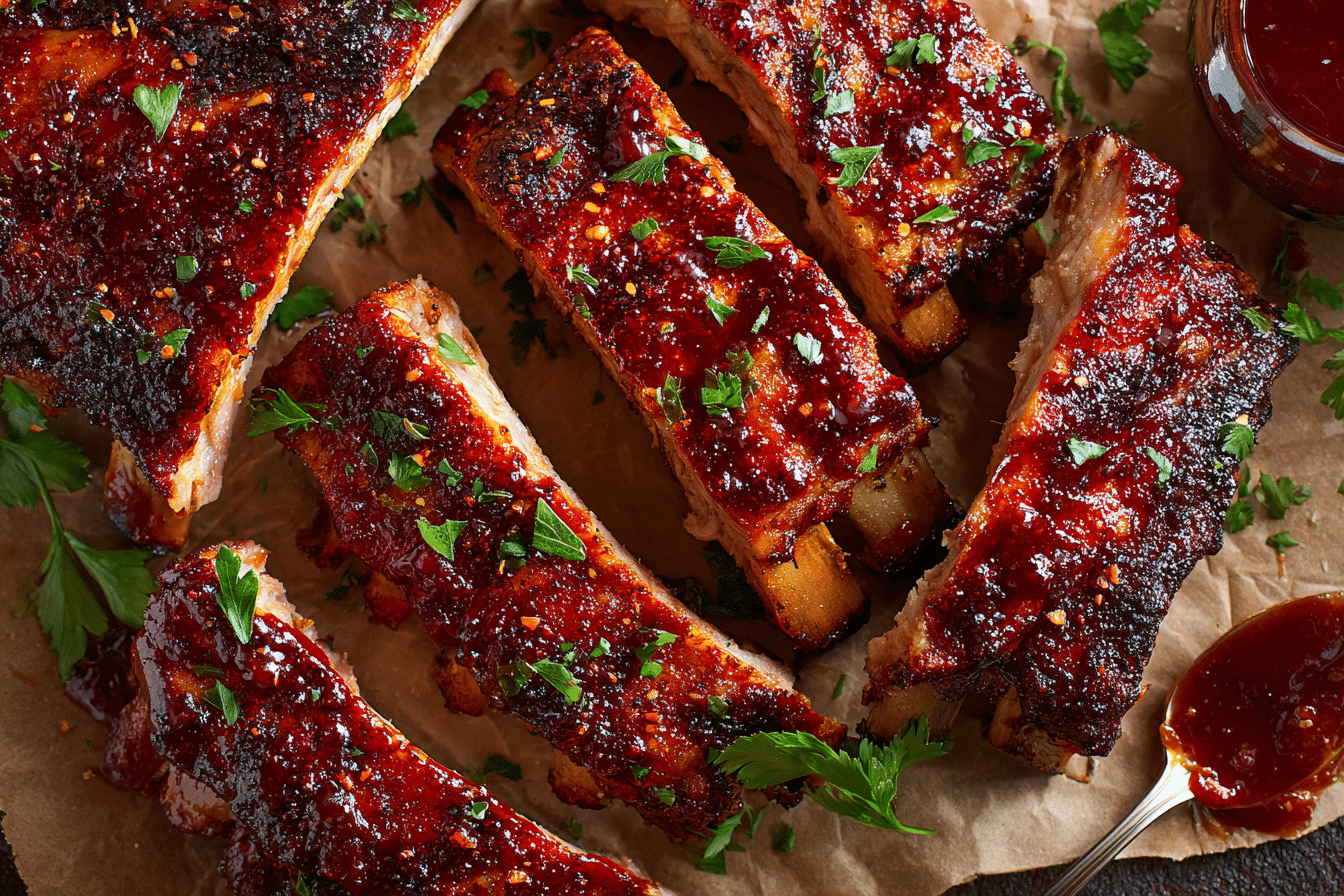
3 Smoky BBQ Rubs for Ribs & Chicken bring depth, warmth, and balanced heat to your grill without relying on heavy sauces. A well-crafted dry rub builds layers of flavor that cling to the surface of the meat, forming a savory crust as it cooks low and slow.
Whether you prefer sweet and smoky, spicy and bold, or herb-forward with gentle heat, these three blends cover a range of flavor profiles. Each rub is designed to complement both ribs and chicken, enhancing natural richness while encouraging caramelized edges.
With simple pantry spices and careful balance, these 3 Smoky BBQ Rubs for Ribs & Chicken transform everyday cuts into something deeply satisfying and full of character.
Ingredients Overview
A great BBQ rub typically combines five elements: salt, sweetness, smokiness, heat, and aromatic spices.
Salt is essential. It penetrates the meat, improving flavor throughout. Kosher salt is preferred for its clean taste and even texture.
Brown sugar adds sweetness and helps create a caramelized crust, especially on ribs. It balances heat and smokiness. For chicken, the sugar helps crisp the skin when grilled or roasted.
Smoked paprika delivers rich color and that unmistakable smoky aroma. It forms the backbone of many BBQ rubs.
Chili powder, cayenne, or black pepper contribute warmth. Adjust these to suit your heat preference.
Garlic powder and onion powder provide savory depth. Mustard powder adds subtle tang, especially effective on pork ribs.
Dried herbs such as thyme or oregano introduce earthy complexity in certain blends.
These rubs work best on baby back ribs, spare ribs, chicken thighs, drumsticks, or whole split chickens. Pat the meat dry before applying for maximum adhesion.
Step-by-Step Instructions
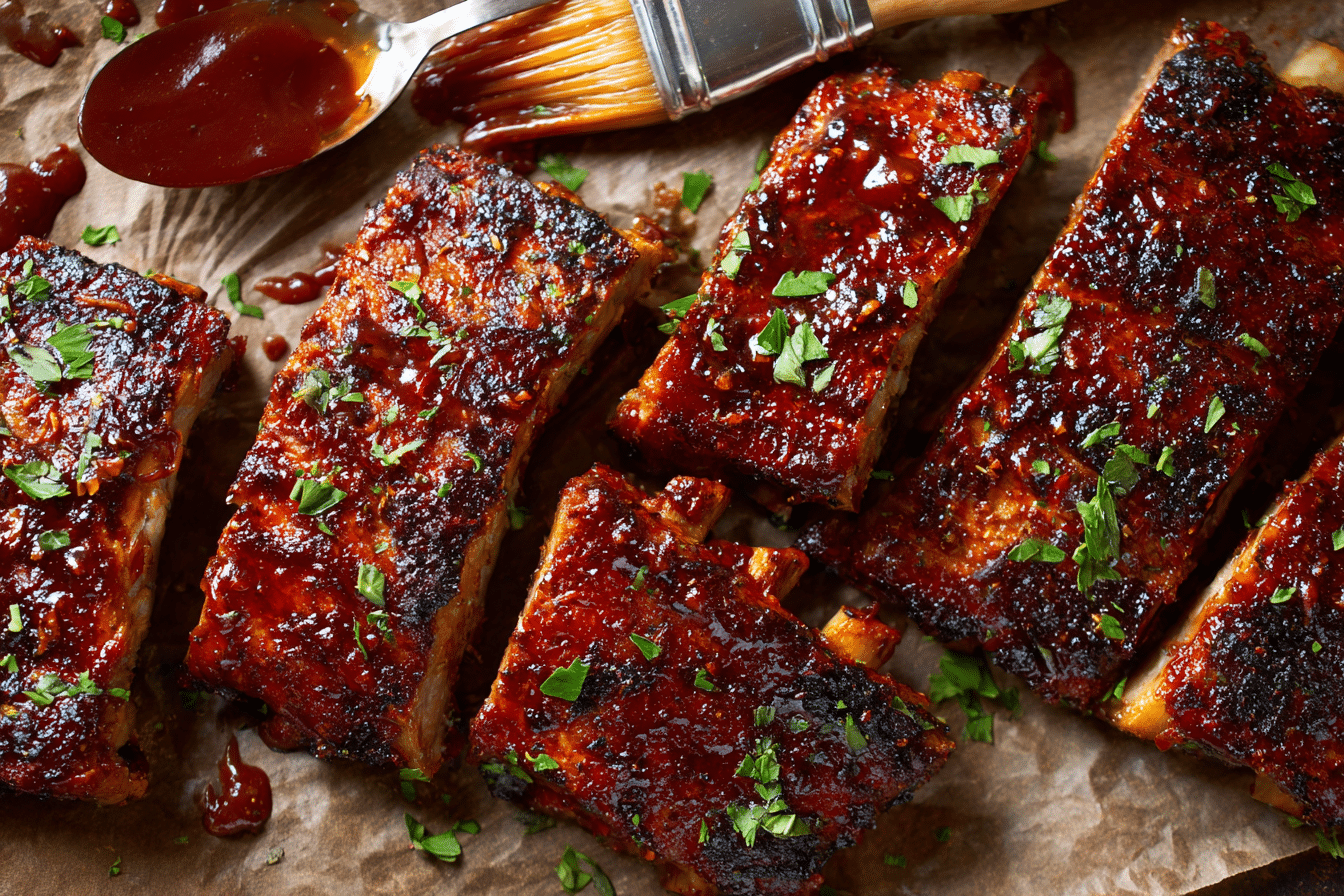
Start by combining each rub in a small bowl. Stir thoroughly so the spices are evenly distributed and no clumps of sugar remain.
Prepare your ribs or chicken by patting them dry with paper towels. For ribs, remove the membrane from the back if it has not already been removed.
Lightly coat the meat with a thin layer of oil or yellow mustard. This step is optional but helps the rub stick evenly.
Generously sprinkle the chosen rub over all surfaces of the meat. Use your hands to gently press it in, forming a uniform coating.
For best flavor, let the seasoned meat rest in the refrigerator for at least one hour. For ribs, resting up to eight hours allows deeper penetration. Bring the meat to room temperature for about 30 minutes before cooking.
Cook ribs low and slow at around 275 degrees Fahrenheit for 2.5 to 3 hours, either wrapped partway through or uncovered for firmer bark. Chicken can be grilled over medium heat or roasted at 400 degrees Fahrenheit until it reaches an internal temperature of 165 degrees Fahrenheit.
Avoid applying sauce too early if using. Let the dry rub form its crust first.
Tips, Variations & Substitutions
For a sugar-free version, omit brown sugar and add a small amount of ground coriander for mild sweetness.
If you prefer stronger smoke flavor without a smoker, add a small pinch of ground chipotle or smoked salt.
Store extra rub in an airtight container away from heat and light for up to three months.
For crispier chicken skin, let seasoned chicken rest uncovered in the refrigerator for a few hours before cooking.
Serving Ideas & Occasions
These 3 Smoky BBQ Rubs for Ribs & Chicken are ideal for backyard cookouts, summer holidays, or relaxed weekend dinners.
Serve ribs alongside coleslaw, baked beans, and grilled corn for a classic barbecue spread.
Chicken pairs well with potato salad, roasted vegetables, or a fresh cucumber salad for balance.
Leftover grilled chicken seasoned with these rubs can be sliced for sandwiches, wraps, or grain bowls.
Nutritional & Health Notes
Dry rubs provide strong flavor without adding significant calories. Compared to sugary sauces, they allow better control over sweetness and sodium.
Reducing sugar in the blend or using skinless chicken can lower overall fat and carbohydrate intake.
Balancing richly seasoned meats with fresh vegetable sides creates a more complete meal.
FAQs
How much rub should I use per pound of meat?
A general guideline is 1 to 2 tablespoons of rub per pound of meat. Ribs often require slightly more to coat evenly.
Should I marinate after applying the rub?
A dry rub does not require additional marinade. Resting time in the refrigerator allows flavors to settle into the meat.
Can I use these rubs in a smoker?
Yes. These blends perform well in smokers. The spices form a flavorful bark when cooked slowly over wood.
Do I need to add oil before applying the rub?
Oil is optional. It helps spices adhere but is not mandatory if the meat surface is slightly moist.
Can I make these rubs in advance?
Yes. Prepare and store in airtight containers for future use.
What wood pairs well with these rubs?
Hickory, applewood, or cherrywood complement smoky and slightly sweet rubs beautifully.
Are these rubs spicy?
The heat level varies by blend. Adjust cayenne or chili powder to suit your preference.
3 Smoky BBQ Rubs for Ribs & Chicken
-
Sweet Smoky Classic Rub
Description: Balanced sweetness with deep smoky undertones.
Ingredients:
2 tablespoons brown sugar
1 tablespoon smoked paprika
1 teaspoon kosher salt
1 teaspoon black pepper
1 teaspoon garlic powder
1 teaspoon onion powder
1 half teaspoon chili powder -
Spicy Chipotle Kick Rub
Description: Bold heat with rich smokiness.
Ingredients:
1 tablespoon smoked paprika
1 tablespoon brown sugar
1 teaspoon kosher salt
1 teaspoon ground chipotle powder
1 teaspoon garlic powder
1 half teaspoon cayenne pepper
1 half teaspoon black pepper -
Herb Smoked Savory Rub
Description: Earthy herbs with subtle warmth.
Ingredients:
1 tablespoon smoked paprika
1 teaspoon kosher salt
1 teaspoon dried thyme
1 teaspoon dried oregano
1 teaspoon garlic powder
1 teaspoon onion powder
1 half teaspoon black pepperSmoky BBQ Rubs for Pork Ribs & Grilled Chicken
Three smoky dry rub blends designed for ribs and chicken, ranging from sweet and classic to spicy and herb-forward.
- Prep Time: 10 minutes
- Cook Time: Varies by meat and method
- Total Time: Approximately 1 hour plus cooking
- Yield: Each rub seasons about 2 to 3 pounds meat
Ingredients
Refer to individual rub ingredient lists above.
Instructions
-
Combine ingredients for your chosen rub in a bowl.
-
Pat meat dry and optionally coat lightly with oil.
-
Apply 1 to 2 tablespoons rub per pound of meat.
-
Press rub evenly onto all surfaces.
-
Refrigerate at least 1 hour before cooking.
-
Cook ribs low and slow or grill or roast chicken until internal temperature reaches 165 degrees Fahrenheit.
Notes
Store extra rub in airtight container for up to 3 months. Adjust heat level by modifying cayenne or chipotle.