
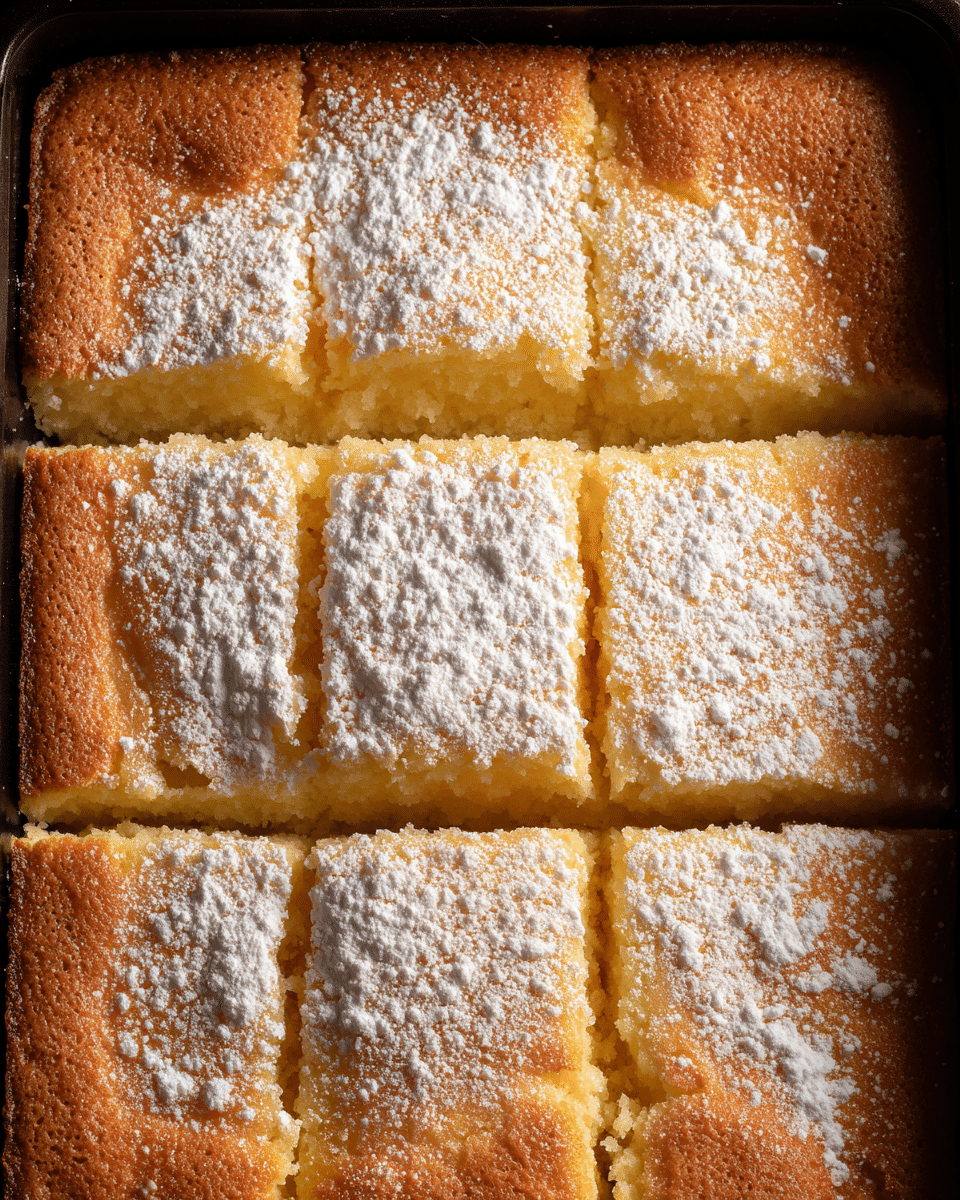
This Classic French Butter Cake, or Gâteau Breton, is a timeless French pastry with a dense, buttery crumb, a golden crust, and an indulgent richness that only comes from good butter and egg yolks. Traditionally from Brittany, France, this cake is made with simple ingredients yet delivers deeply satisfying flavor and texture. It’s subtly sweet, incredibly moist, and best enjoyed with coffee, tea, or even a small glass of brandy.
Whether you serve it plain, filled with jam, or alongside fruit compote, this is a bake that stands out for its elegance, simplicity, and incredible taste.
A Taste of Brittany
The French butter cake, also known as Gâteau Breton, has its roots in Brittany, a region known for its high-quality salted butter and rustic, rich baked goods. Originally made as a durable cake for long sea voyages and celebrations, its high butter and egg yolk content make it almost shortbread-like in density but much softer in bite.
Its signature appearance includes a glossy top with a crosshatch pattern brushed with egg yolk, making it as beautiful as it is delicious. What makes this cake so special is how it improves with time—it’s even better a day or two after baking.
Ingredient Overview: A Simple, Luxurious Base
Butter (Salted or Unsalted)
This is the defining ingredient of the cake. Traditional French salted butter gives authentic flavor, but you can use unsalted and add a pinch of salt. Use European-style butter (higher fat content) for the richest result.
Egg Yolks
These provide structure, richness, and a beautiful golden hue. The yolks also help create the moist, tender interior while contributing to the cake’s long shelf life.
Sugar
Granulated sugar is used for sweetness and helps with the cake’s slightly crisp crust. You can substitute superfine sugar for a finer crumb.
Flour
All-purpose flour works best. It gives just enough structure without making the cake tough.
Vanilla Extract (Optional)
A subtle addition to highlight the butter’s natural flavor without overpowering it.
Egg Yolk Glaze
A final yolk, sometimes mixed with water or milk, is brushed on top for that golden bakery finish.
Step-by-Step Instructions: Traditional Gâteau Breton
Step 1: Prepare the Pan
-
Preheat oven to 350°F (175°C).
-
Line the bottom of a 9-inch tart pan or cake pan with parchment paper and lightly butter the sides.
Step 2: Make the Dough
Ingredients:
-
1 cup (2 sticks) salted butter, softened
-
1 cup granulated sugar
-
6 large egg yolks (reserve 1 for the glaze)
-
2 cups all-purpose flour
-
1 tsp vanilla extract (optional)
Instructions:
-
Cream the butter and sugar in a large bowl until light and fluffy, about 2–3 minutes.
-
Add 5 egg yolks, one at a time, beating well after each addition.
-
Mix in vanilla extract, if using.
-
Slowly add the flour and mix until a soft, sticky dough forms. It should resemble a thick cookie dough.
-
Press the dough evenly into the prepared pan, smoothing the top with a spatula.
Step 3: Add Glaze and Score
-
In a small bowl, mix the remaining egg yolk with 1 teaspoon water or milk.
-
Brush the top of the dough with the egg wash.
-
Use a fork or knife to score a traditional crosshatch pattern on the surface.
Step 4: Bake and Cool
-
Bake for 35–40 minutes, or until the top is deeply golden and the edges are set.
-
Cool in the pan for 10 minutes, then transfer to a wire rack to cool completely.
-
Slice into wedges or squares and serve.
Tips, Variations & Substitutions
Expert Tips
-
Don’t overmix the dough once you add the flour—this keeps the crumb tender.
-
Use high-quality butter, preferably European-style, for the richest flavor.
-
Let the cake rest overnight—it becomes even more flavorful and moist.
Variations
-
Jam-Filled Version: Press half the dough into the pan, spread with raspberry, apricot, or prune jam, then top with the rest.
-
Almond Twist: Add ¼ tsp almond extract or a handful of finely ground almonds.
-
Citrus Zest: Grate lemon or orange zest into the dough for brightness.
Substitutions
-
Unsalted butter + ½ tsp fine sea salt = traditional salted butter flavor.
-
Gluten-free flour blend can be used 1:1 if needed, but texture may vary slightly.
-
Coconut sugar or raw sugar for a more caramelized flavor.
Serving Ideas & Occasions
This buttery French cake is versatile and elegant:
-
Serve with afternoon tea or espresso.
-
Pair with fruit compote or fresh berries.
-
Add a dollop of crème fraîche or whipped cream for a rustic dessert.
-
Wrap slices in parchment for a picnic or hostess gift.
It also shines on:
-
Holiday dessert trays
-
Brunch spreads
-
French-themed dinner parties
Pro tip: Because it keeps so well, it’s ideal for make-ahead entertaining.
Nutritional & Health Notes
While this cake is definitely an indulgence, it’s made with real, recognizable ingredients and no preservatives. You only need a small slice to feel satisfied, thanks to its rich composition.
Key Nutrition Highlights:
-
Butter and egg yolks provide fat-soluble vitamins (A, D, E, K).
-
No artificial flavors or fillers.
-
No leavening agents—just natural rise from eggs and careful mixing.
For a lighter version:
-
Reduce sugar slightly (¾ cup instead of 1 cup).
-
Use a smaller slice—this cake is rich and filling.
Frequently Asked Questions (FAQ)
1. What’s the difference between French butter cake and pound cake?
French butter cake (Gâteau Breton) is denser, uses only egg yolks, and has no leavening agents. Pound cake typically uses whole eggs and baking powder for a lighter texture.
2. Can I make this cake ahead of time?
Absolutely. It’s actually better the next day as the flavors deepen. Store at room temperature, tightly wrapped, for up to 5 days.
3. Do I need a tart pan?
Not necessarily. A standard 9-inch cake pan works fine. A removable-bottom tart pan just gives cleaner edges and a traditional shape.
4. Why is only the yolk used, not the whole egg?
Egg yolks give the cake its signature richness, color, and smooth texture. Whole eggs would make it fluffier, which is not typical of this style.
5. Can I freeze French butter cake?
Yes. Wrap tightly in plastic wrap and freeze for up to 2 months. Thaw overnight at room temperature.
6. Can I add fruit or nuts to the batter?
You can! Chopped toasted almonds, walnuts, or a layer of fruit preserves work well without disrupting the texture.
7. What’s the best way to serve this cake?
At room temperature, sliced thin with coffee or tea. For dessert, pair with whipped cream and fresh berries.
PrintClassic French Butter Cake – Rich, Moist & Buttery Bliss
This Classic French Butter Cake (Gâteau Breton) is rich, dense, and deeply buttery, with a golden crust and tender crumb. An elegant French dessert perfect for any occasion.
- Prep Time: 15 minutes
- Cook Time: 40 minutes
- Total Time: 55 minutes
- Yield: 8–10 slices 1x
Ingredients
-
1 cup (2 sticks) salted butter, softened
-
1 cup granulated sugar
-
6 large egg yolks (1 reserved for glaze)
-
2 cups all-purpose flour
-
1 tsp vanilla extract (optional)
-
1 tsp water or milk (for glaze)
Instructions
-
Preheat oven to 350°F. Line and butter a 9-inch pan.
-
Cream butter and sugar until fluffy. Beat in 5 yolks one at a time.
-
Mix in vanilla and flour until a soft dough forms.
-
Press dough into pan. Brush with remaining yolk mixed with water.
-
Score top with crosshatch pattern.
-
Bake 35–40 minutes until golden. Cool before slicing.
Notes
Use high-quality butter for best flavor. Store covered at room temp up to 5 days. Let rest overnight for deeper flavor.